
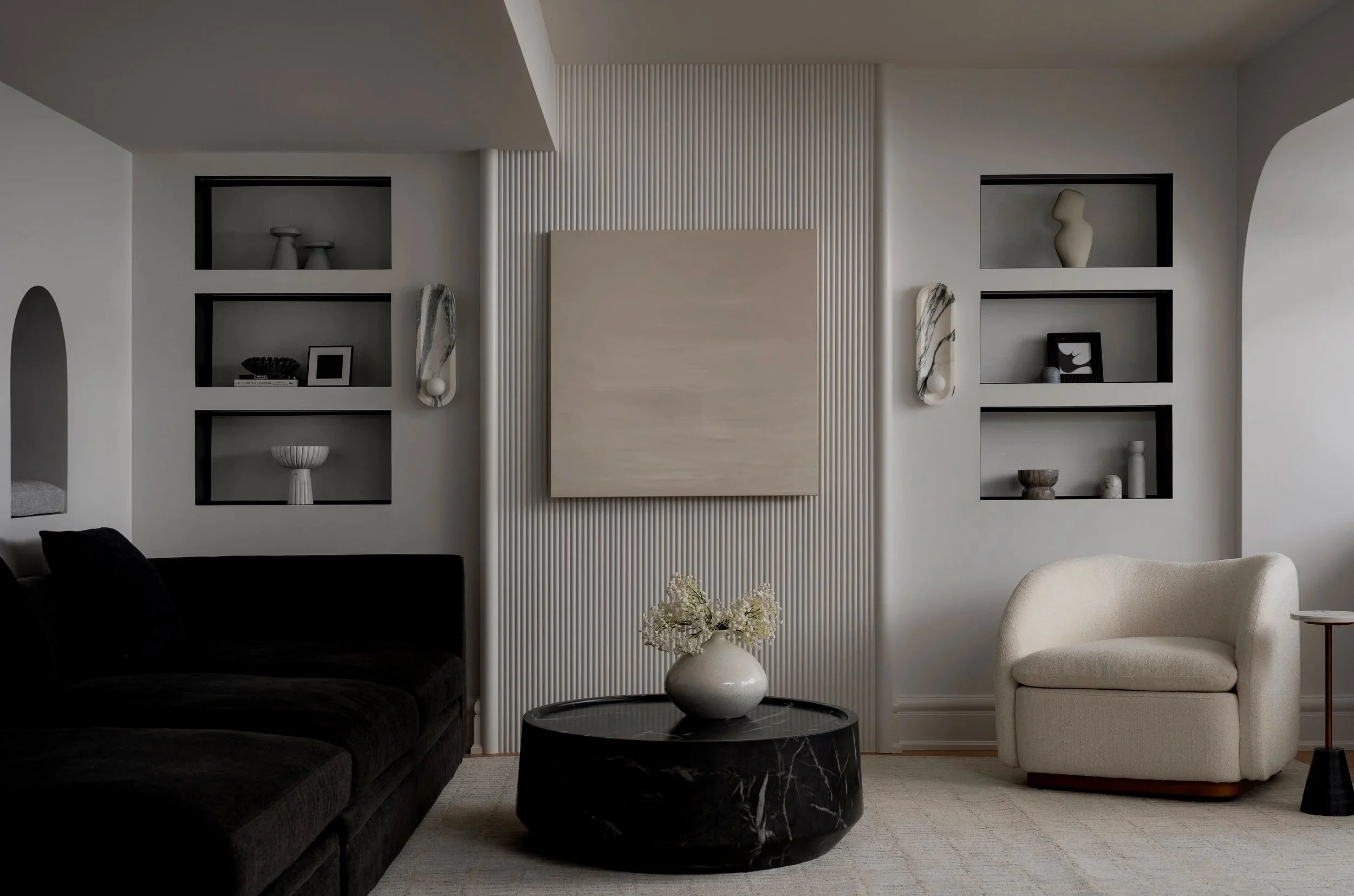
Basement Renovation & Legal Suite in Richmond Hill & GTA
We transform underutilized basements into fully functional living spaces — designed around your goals, built to code, and finished with lasting quality.
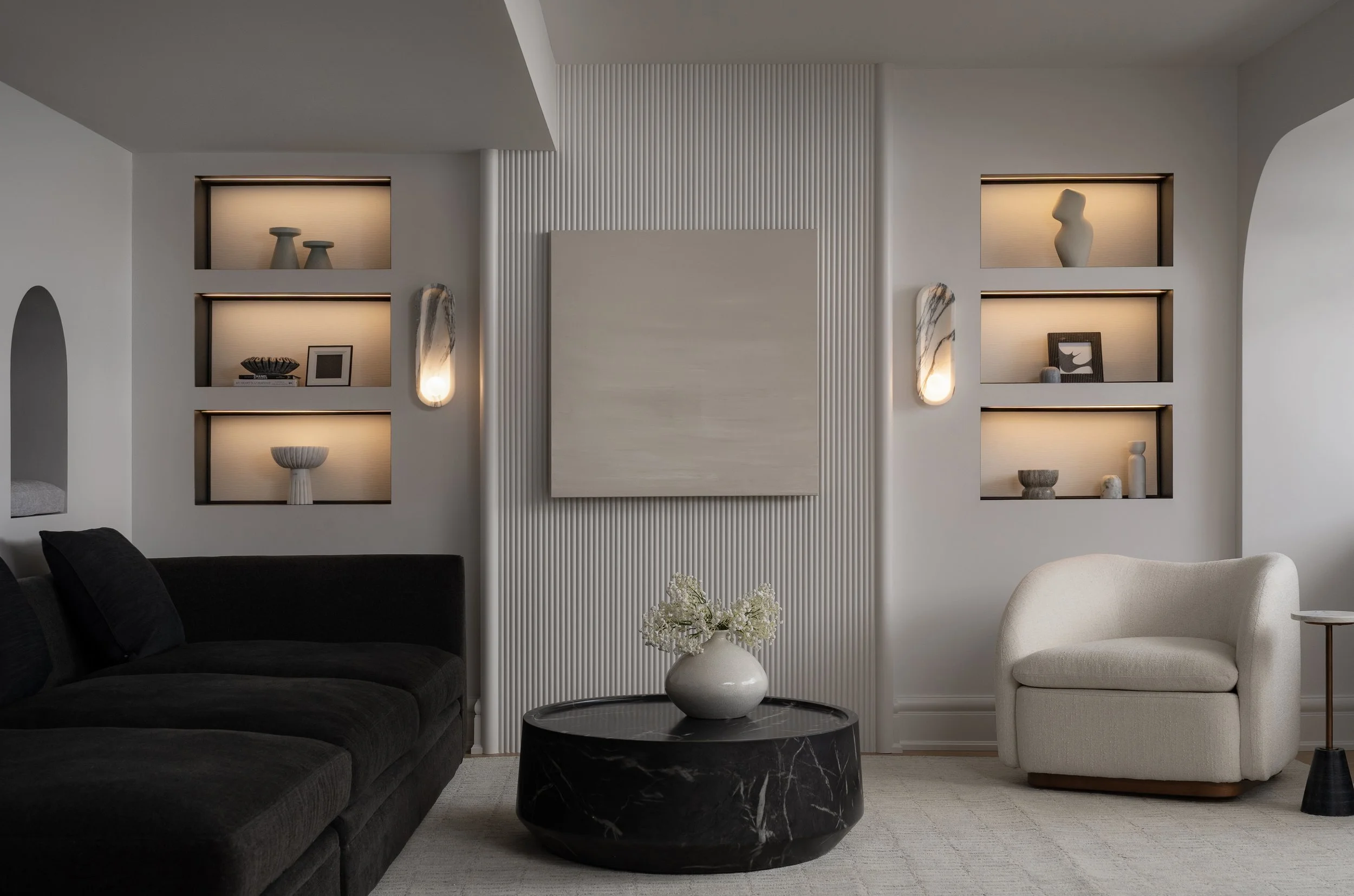
Basement Renovations That Expand How You Live
A basement renovation is one of the most valuable investments a homeowner can make — adding usable square footage, generating rental income, and improving the overall functionality of the home without expanding the footprint. At Nuance Design Build, we approach every basement project with a clear plan: understand the structural conditions, define the best use for the space, and execute every phase with precision. Whether the goal is a legal secondary suite, a custom rec room, a home office, or a multi-purpose family retreat, we deliver premium basement renovations across Richmond Hill, Markham, Vaughan, Toronto & the GTA.
Increase Additional Living Space
Need more room but not ready for a home addition? A basement renovation is the most cost-effective way to expand your home’s usable square footage.
We help families create:
Fitness rooms
Laundry & utility optimization
Full bathrooms
Home offices
Kids’ playrooms
In-law suites
Home Theatre
Guest bedrooms
Through thoughtful space planning and modern design, we ensure your basement feels bright, open, and comfortable — not dark or confined.
Our team carefully addresses:
Moisture control & waterproofing
Proper insulation & vapor barriers
Efficient storage solutions
Soundproofing between floors
Lighting layout & ceiling design
The result is a seamless extension of your home — fully integrated, functional, and beautifully finished.
How Long Does It Take To Complete A Basement Renovation ?
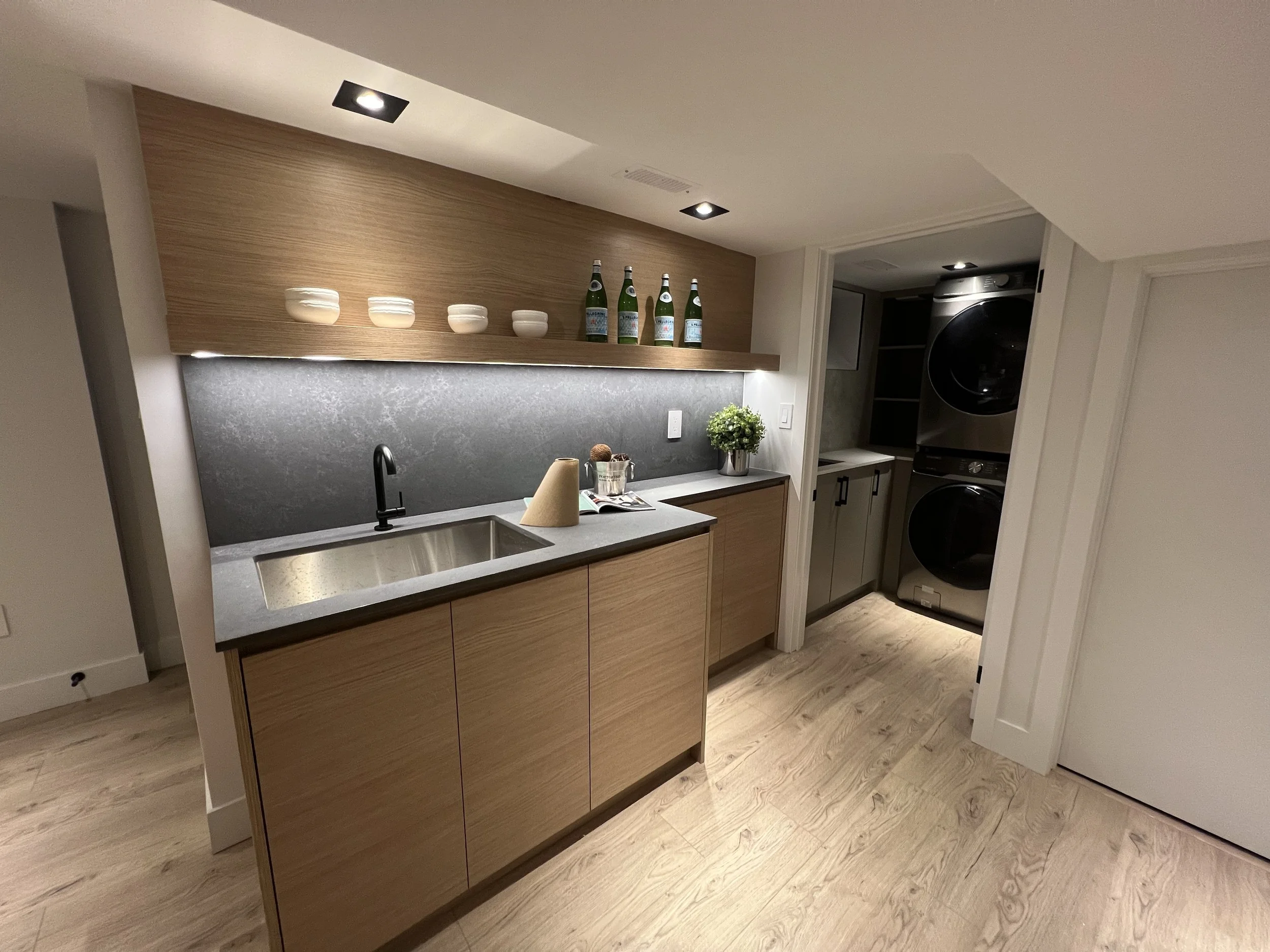

A basement renovation in Richmond Hill, Markham, Vaughan, Toronto & GTA typically takes 6–10 weeks for construction, while the full process including design and permits usually ranges from 2–4 months.
Smaller cosmetic updates may finish faster, whereas legal basements, secondary suites, or projects involving plumbing and structural work can extend closer to 10–12 weeks.
Proper planning and permit preparation help keep the timeline predictable and ensure a smoother renovation experience.
Why Choose Us For Your Basement Renovation ?
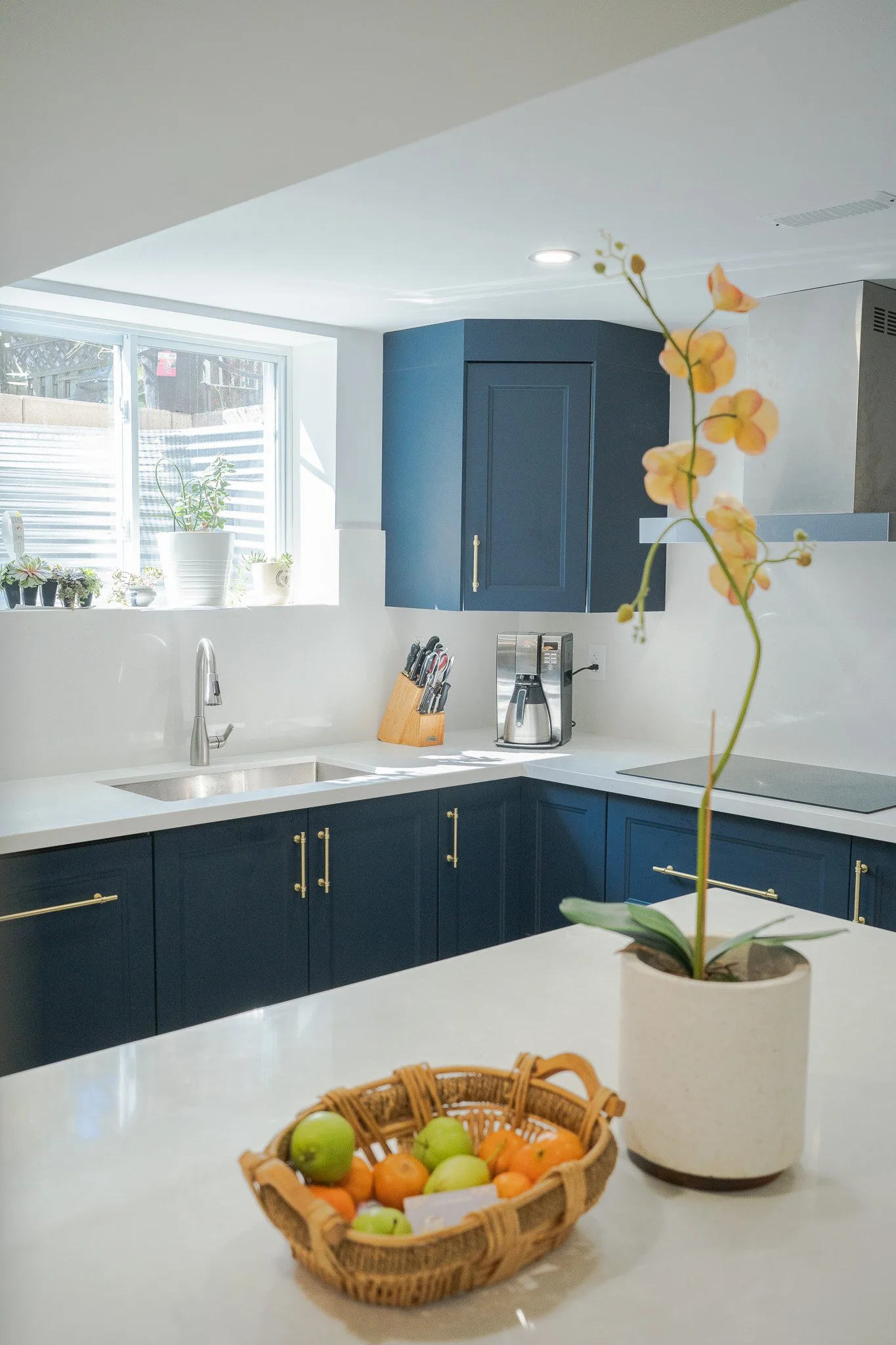
As your one-stop Toronto basement renovation contractor, you can rely on us to handle every detail — big or small. Our comprehensive approach covers every stage of the process, from developing structural and engineering drawings to creating interior design concepts, mood boards, and assisting with material selection. We also conduct thorough post-construction quality inspections to ensure everything meets the highest standards.
A professionally finished and legally permitted basement is one of the most financially sound investments available to GTA homeowners. When done correctly, it generates consistent rental income, increases resale value, and ensures full compliance with Ontario Building Code — protecting both the property and the people living in it.
We specialize in legal basement renovations across Richmond Hill, Markham, Vaughan, and the broader GTA — managing every requirement from ceiling height compliance and egress windows to fire-rated assemblies and permit inspections.
What Is a Legal Basement Conversion?
A legal basement conversion — also called a Secondary Dwelling Unit (SDU) — transforms a basement into a self-contained residential unit that meets all municipal and provincial building regulations. A compliant legal suite typically includes:
Legal Basement Conversion: What Richmond Hill Homeowners Need to Know
Separate entrance
Full kitchen with proper ventilation
3-piece or 4-piece bathroom
Bedroom(s) with proper egress windows
Fire-rated separation between units
Independent HVAC or properly balanced system
Soundproofing assemblies between floors
ESA-certified electrical system
Smoke & CO interconnected alarms
Most importantly, it must pass municipal permit inspections and comply with Ontario Building Code and local zoning bylules.Without permits, the unit is not legally rentable — and may create insurance, resale, or liability risks.
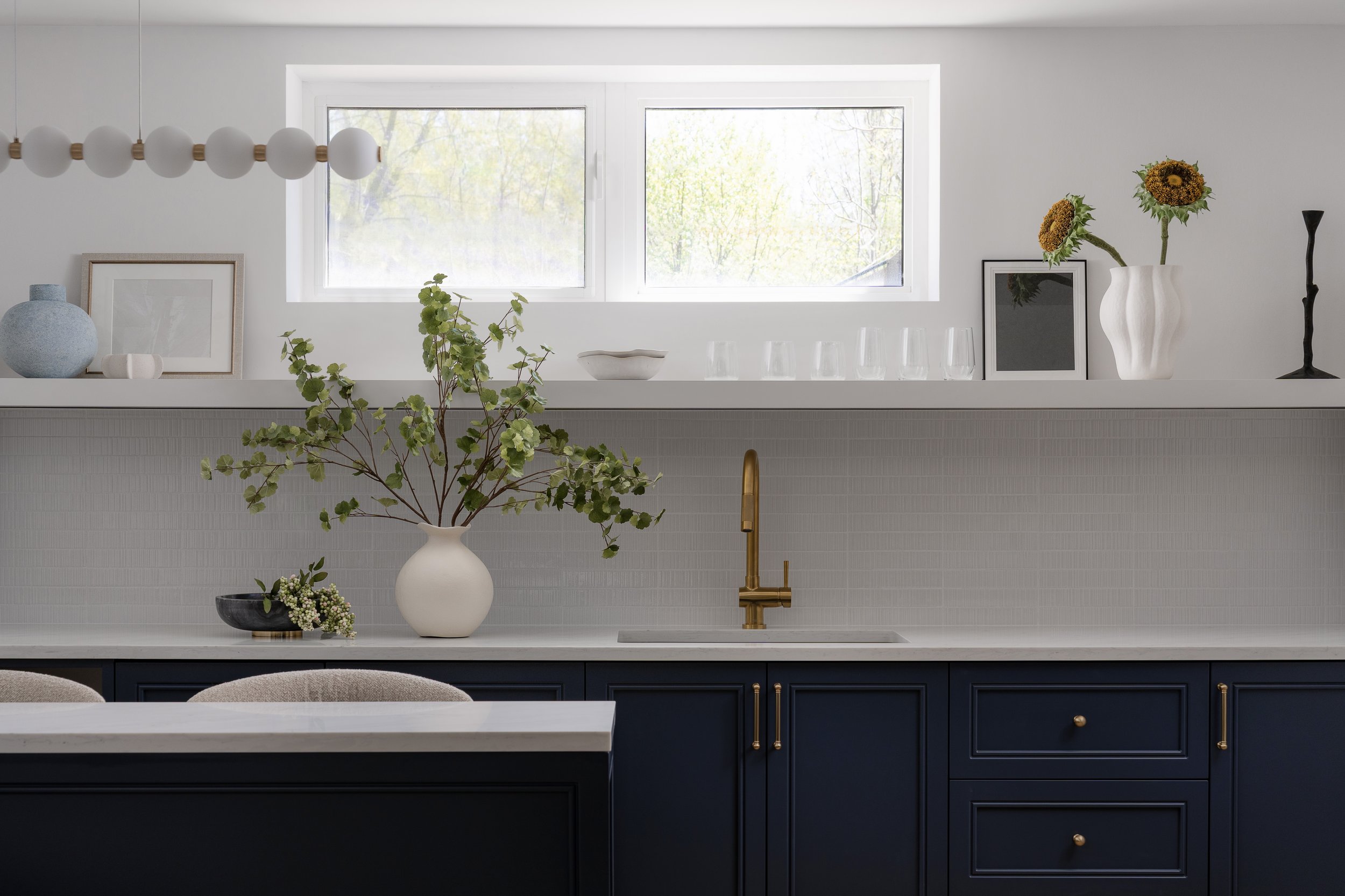
Generate Rental Income
In the Richmond Hill & GTA rental market, a properly designed legal basement apartment can generate meaningful monthly income — helping offset mortgage costs and rising property expenses.
Increase Property Value
A permitted secondary unit significantly improves resale appeal. Investors, multi-generational families, and buyers looking to offset carrying costs actively seek homes with legal suites.
Protect Occupants and Owners
Fire separation, proper egress, ventilation, and structural compliance are life-safety requirements — not optional upgrades. A legal conversion ensures that tenants, family members, and the property itself are properly protected.
Avoid Legal and Insurance Risks
Unpermitted basement apartments can result in municipal fines, insurance claim denial, forced closure orders, and complications during real estate transactions. Building legally protects your investment from the start.
Why Convert Your Basement Legally?
Step 1: Feasibility Assessment
We evaluate:
Ceiling height compliance
Foundation & structural conditions
Existing plumbing & electrical capacity
HVAC system adequacy
Zoning eligibility
Entrance location options
Not every basement qualifies without modification — we provide honest guidance before moving forward.
How We Execute a Legal Basement Conversion
Step 2: Design & Planning
Our design-build team develops:
Code-compliant layout
Fire separation assemblies
Soundproofing strategy
Mechanical & HVAC upgrades
Window enlargement design (if required)
Separate entrance detailing
We ensure the design balances compliance, aesthetics, and rental appeal.
Step 3: Permit Application & Drawings
We prepare and submit:
Architectural drawings
Structural details (if required)
HVAC layouts
Plumbing plans
Fire separation documentation
We coordinate directly with the municipality until permits are approved.
Step 4: Construction & Inspection Management
During construction, we implement:
Fire-rated drywall systems
Soundproofing insulation
Egress window installation
Proper ventilation & HRV solutions
ESA-certified electrical upgrades
Separate entrance construction
We schedule and manage all required inspections, ensuring each stage passes before proceeding.
Step 5: Final Approval & Warranty
Once inspections are complete, your basement unit receives official approval. You can legally rent it with confidence.
We provide:
Clear documentation
Warranty coverage (3–10 years depending on scope)
Ongoing support
Book a Free Legal Basement Feasibility Consultation Today !
Let’s determine if your basement qualifies — and how to maximize its value.
Frequently Asked Questions
-
The cost of a legal basement conversion in Richmond Hill, Toronto & GTA typically ranges between:
$60,000 – $120,000+
Pricing depends on:
Basement size
Ceiling height adjustments
Separate entrance construction
Egress window enlargement
Plumbing relocation
HVAC upgrades
Level of finishes
A professional feasibility assessment is required to determine accurate budgeting.
-
Under Ontario Building Code requirements, the minimum finished ceiling height is generally:
6’5” (1.95m) for most living spaces
Slightly lower allowances may apply under beams or ductwork
If the existing basement does not meet height requirements, underpinning or structural modification may be necessary.
-
In many municipalities within Richmond Hill & GTA, a separate entrance is required for a legal second unit.
This can be achieved by:
Side entrance addition
Rear entrance modification
Walk-out conversion
Enlarged basement stairwell
Zoning rules may vary by city (Toronto, Richmond Hill, Markham, Vaughan), so professional review is recommended.
-
Yes. A properly permitted and inspected legal basement apartment can:
Increase resale value
Attract investors and multi-generational buyers
Generate monthly rental income
Improve mortgage qualification potential
In Toronto’s competitive real estate market, legal second units are highly desirable.
-
Fire safety requirements typically include:
30–60 minute fire-rated separation between units
Interconnected smoke alarms
Carbon monoxide detectors
Proper egress windows
Fire-rated doors & self-closing mechanisms
These measures ensure life safety for both units.
-
Yes, but it depends on:
Current structural conditions
Ceiling height compliance
Window size & location
Mechanical system capacity
Zoning eligibility
Many unpermitted basements require upgrades to meet current code standards.
A professional inspection is recommended before starting.
Service Areas – Basement Renovation Near You
We provide basement renovation services across Richmond Hill, Vaughan, Markham, Thornhill, North York, and surrounding Greater Toronto Area communities. Basement conditions, ceiling heights, and local permit requirements vary by municipality — our approach is adapted to the specific conditions and regulations of each project rather than applying a single standard formula.
Aurora
Newmarket
King City
Maple
Brampton
Etobicoke
Mississauga
Oakville
Burlington
Scarborough
Pickering
Ajax
Whitby